Geometric Pattern. Repeating Tile: A Comprehensive Guide to Design Versatility
In the vast landscape of digital design and physical decoration, few elements offer as much structural integrity and aesthetic appeal as the Geometric Pattern. Repeating Tile. Whether you are an architect sketching a new floor plan, a graphic designer crafting a brand identity, or a homeowner looking to revitalize a room, understanding the mechanics and applications of these patterns is essential. This guide moves beyond simple promotion to explore the intrinsic value of monochromatic designs, vintage aesthetics, and vector precision.
The Anatomy of Repetition
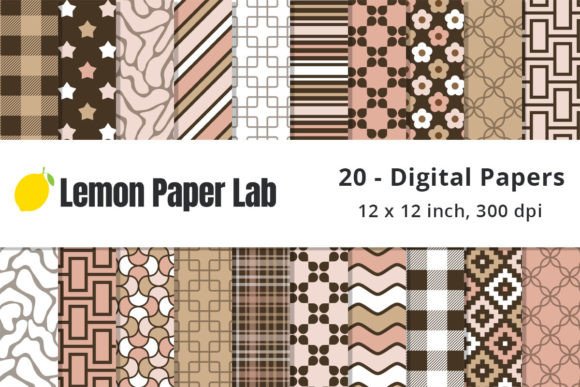
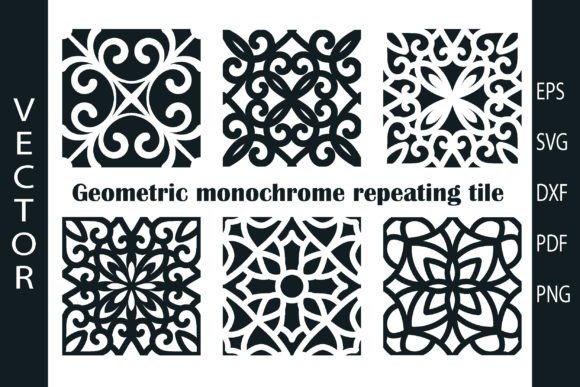
At its core, a repeating tile is a self-contained unit of design that can be extended infinitely in any direction without visible seams. When we speak of a Geometric Pattern. Repeating Tile, we are referring to arrangements where shapes—triangles, hexagons, diamonds, or complex interlocking forms—are organized with mathematical precision. This repetition creates a rhythm that the human eye finds inherently satisfying.
The beauty of this approach lies in its scalability. Unlike a unique illustration that must be resized with care to avoid pixelation, a well-constructed repeating tile maintains its crispness at any scale. From a tiny favicon on a mobile screen to a massive mural covering a warehouse wall, the pattern holds its form. This characteristic makes it a cornerstone of modern design workflows, offering consistency that hand-drawn elements often struggle to achieve.
Monochrome and Vintage Aesthetics
One of the most striking variations of this design category is the vintage monochromatic repeating tile. By stripping away color and relying solely on shades of a single hue, designers can focus entirely on texture, depth, and shadow. This technique harkens back to traditional craftsmanship, reminiscent of old-world ceramics or classic wallpaper from the early 20th century.
- Vintage Appeal: Monochromatic schemes evoke a sense of history and timelessness. They allow the viewer to appreciate the intricacy of the lines without the distraction of competing colors.
- Visual Depth: Through the use of gradients and line weight variations within a single color palette, these tiles create a three-dimensional illusion on a two-dimensional surface.
- Versatility: Because they lack specific color associations, monochromatic patterns integrate seamlessly into almost any existing color scheme, making them a safe yet sophisticated choice for diverse projects.
The Power of Vector Precision
When discussing high-quality design assets, the distinction between raster (pixel-based) and vector graphics is paramount. The Moroccan vector patterns on floor mentioned in our collection represent the pinnacle of this technology. Vector graphics are defined by mathematical equations rather than fixed pixels, meaning they can be scaled up or down without losing a single point of clarity.
This precision is particularly vital for architectural applications. Imagine designing a floor layout using a complex Moroccan-inspired geometric motif. If the file were pixel-based, zooming in to check the alignment of the joints might result in jagged edges. With a vector file, every curve and angle remains sharp, ensuring that the final installation looks professional and precise.
Furthermore, vector files offer unparalleled editability. Professionals can easily adjust the spacing, rotate individual elements, or alter the stroke width to suit specific project requirements. This flexibility transforms a static image into a dynamic tool that adapts to the needs of the creator.
Practical Applications Across Industries
The utility of a Geometric Pattern. Repeating Tile extends far beyond simple decoration. Its applications are diverse, touching upon various sectors where visual communication and structural planning intersect.
Interior Design and Architecture
In the realm of architecture, flooring is often the foundation of a space's character. A Moroccan vector pattern on floor can transform a sterile hallway into a captivating journey. These patterns are not limited to floors; they are equally effective on walls, ceilings, and even furniture surfaces. The ability to create a seamless background allows designers to wrap entire environments in a cohesive theme without the jarring interruptions of tiled images.
Digital Product Design
For web developers and UI/UX designers, background patterns play a crucial role in user experience. A subtle, repeating geometric tile can add texture to a website without overwhelming the content. It provides a visual anchor that guides the eye and adds a layer of sophistication to digital interfaces. The availability of transparent backgrounds ensures that these patterns can be layered over different colored sections of a webpage or app without clashing.
Textile and Fashion
The fashion industry relies heavily on repeating motifs. From fabric printing to surface design for accessories, the ability to generate an endless roll of pattern is essential. Monochromatic designs, in particular, offer a chic, minimalist look that appeals to contemporary consumers who favor clean lines and understated elegance.
Understanding File Formats and Accessibility
One of the most significant advantages of modern design resources is the variety of formats available. When acquiring a Geometric Pattern. Repeating Tile, the goal is to ensure compatibility across all software platforms. The collection typically includes five distinct file types, each serving a specific purpose in the workflow.
- EPS (Encapsulated PostScript): This is the gold standard for print professionals. EPS files are widely supported by desktop publishing software like Adobe InDesign and Illustrator, making them ideal for large-format printing such as banners, brochures, and packaging.
- SVG (Scalable Vector Graphics): Essential for the web. SVG files are lightweight, code-based vectors that load instantly in browsers and can be manipulated via CSS. They are perfect for responsive web design where images must adapt to different screen sizes.
- DXF (Drawing Exchange Format): Crucial for engineering and CAD users. DXF files allow architects and engineers to import the pattern directly into drafting software for precise measurements and construction planning.
- PDF (Portable Document Format): A versatile format that preserves layout and vector data. PDFs are excellent for sharing designs with clients or printers who may not have access to specialized editing software.
- PNG with Transparent Backgrounds: While raster-based, high-resolution PNGs are indispensable for quick previews, social media graphics, and applications where transparency is required but vector editing is not necessary.
This comprehensive suite of formats ensures that whether you are working in a high-end print shop, a web development studio, or a home office, the asset will fit your technical requirements perfectly.
Evaluating Suitability for Your Project
While the benefits of geometric repeating tiles are numerous, selecting the right pattern requires careful consideration. Not every design fits every context. Here are key factors to evaluate before integrating a Geometric Pattern. Repeating Tile into your work.
Scale and Density: Consider the size of the area you intend to cover. A dense, intricate Moroccan pattern might look stunning on a small accent wall but could become visually overwhelming if used on a large open floor. Conversely, a sparse geometric design might get lost in a small space. Always visualize the pattern at its intended scale.
Contrast and Visibility: In monochromatic designs, contrast is created through light and dark values. Ensure that the contrast level is sufficient for your medium. On a printed floor, the pattern must withstand foot traffic and lighting conditions. On a website, it must not interfere with text readability.
Style Consistency: Does the vintage aesthetic align with the rest of your project? A highly stylized, ornate Moroccan tile might clash with a brutalist concrete structure, whereas it would complement a bohemian living room perfectly. The pattern should enhance the narrative of the space or product, not compete with it.
Maximizing Value Through Adaptability
The true strength of a Geometric Pattern. Repeating Tile lies in its adaptability. Once acquired, these assets can be repurposed countless times. A single vector file can serve as a background for a business card, a texture for a website header, a template for a t-shirt print, and a reference for a custom tile installation.
By choosing high-quality, professionally designed assets, creators save valuable time that would otherwise be spent drawing repetitive elements from scratch. This efficiency allows more focus to be placed on the overall creative vision and strategy. Furthermore, the availability of transparent PNGs means that these patterns can be easily blended with other elements, allowing for creative compositing that expands their utility.
Final Thoughts on Design Integrity
In an era where digital noise is constant, the clean lines and structured beauty of geometric patterns offer a refreshing respite. Whether drawn from the rich heritage of Moroccan art or inspired by modern minimalism, the Geometric Pattern. Repeating Tile stands as a testament to the power of order and repetition. By understanding the technical specifications, appreciating the historical context, and applying practical judgment, creators can leverage these tools to produce work that is both functional and aesthetically profound.
Thank you for visiting my store. We hope this guide has provided the clarity needed to select the perfect patterns for your next endeavor. Remember, the best design is not just about what looks good, but how well it serves the purpose of the project.