Bicycle Junk Journal Paper: A Comprehensive Evaluation for Digital Creators
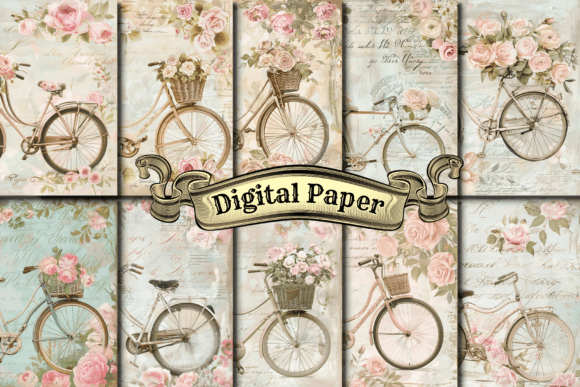
In the expanding landscape of digital design resources, Bicycle Junk Journal Paper has emerged as a specific niche offering distinct aesthetic and functional value. This product is not merely a collection of images; it represents a curated set of 10 high-resolution digital papers featuring bicycle-themed patterns. For designers, crafters, and entrepreneurs seeking to integrate vintage or cycling motifs into their projects, understanding the technical specifications and practical applications of this asset is crucial before making a selection.
Understanding the Product Specifications
The core of this digital asset lies in its precise technical delivery. The package contains 10 unique pattern files available in both JPG and PNG formats. Each individual pattern measures 4000 x 4000 pixels. This resolution is significant because it exceeds the standard requirements for many web-based applications while providing sufficient data for large-format printing without pixelation. The inclusion of both file formats offers versatility: PNGs typically preserve transparency if the background allows, while JPGs are universally compatible with most print-on-demand (POD) software and graphic editing tools.
The term "Junk Journal" refers to a specific art form that involves creating mixed-media journals using recycled materials, ephemera, and textured backgrounds. Consequently, these patterns are designed with a rustic, collage-friendly aesthetic. They often feature elements like distressed textures, hand-drawn bicycles, and vintage typography, mimicking the look of aged paper. This stylistic choice differentiates them from clean, modern vector graphics, positioning them specifically for projects requiring a nostalgic or handmade feel.
Primary Applications and Use Cases
The versatility of Bicycle Junk Journal Paper extends across several creative domains. Because the patterns are high-resolution digital downloads, they serve as foundational elements for various output types.
- Print on Demand (POD) Products: The 4000 x 4000 px resolution makes these files ideal for POD services. Designers can apply the patterns to T-shirts, tote bags, phone cases, and homeware items like mugs or throw pillows. The durability of the image ensures that when printed on fabric or hard goods, the bicycle motifs remain crisp.
- Crafting and Cutting Projects: Users of electronic cutting machines, such as Silhouette Cameo or Cricut Explore, can utilize these patterns for vinyl decals, stencils, and scrapbooking layouts. The intricate details of the junk journal style translate well into die-cut shapes and layered designs within Cricut Design Space.
- Digital Design and Branding: Graphic designers can incorporate these textures into website backgrounds, social media banners, and company branding materials. The vintage bicycle theme is particularly effective for brands associated with cycling clubs, retro lifestyle products, or eco-conscious businesses.
- Stationery and Planners: The patterns are suitable for creating printable notebooks, planners, and digital stationery. When used as page backgrounds or cover designs, they add a tactile quality to digital documents that feels more organic than standard geometric patterns.
Evaluating Benefits and Tradeoffs
When considering Bicycle Junk Journal Paper for a project, it is essential to weigh the advantages against potential limitations inherent to the format.
Key Benefits
The primary advantage of this digital set is efficiency. Instead of photographing physical textures or scanning old paper, creators receive ready-to-use, high-quality assets immediately. The 10-pattern variety provides enough diversity to create cohesive collections without visual repetition. Furthermore, the high resolution supports scalability, allowing a single purchase to be used for small mobile screens and large wall art prints alike.
Potential Limitations
While the resolution is high, the nature of "junk journal" art means the patterns may contain complex, non-uniform details. If a user requires a seamless, repeating tile for a large-scale wallpaper where the pattern must align perfectly at the edges, they should verify the seamlessness of the specific files. Additionally, because these are raster images (pixels) rather than vectors, they cannot be scaled infinitely without losing sharpness. While 4000 pixels is ample for most uses, it is not infinite.
Situational Fit and Alternatives
This product is a strong fit for creators who prioritize atmosphere and texture over geometric precision. It is particularly valuable for those building a brand identity around nostalgia, sustainability, or the cycling lifestyle. If a designer needs to quickly produce a batch of merchandise for a local bike shop or a vintage-themed blog, these papers offer an immediate solution that conveys a specific mood.
However, there are situations where alternatives may be worth considering. If the goal is to create a minimalist, flat-design website interface, the distressed and textured nature of junk journal paper might appear cluttered. In such cases, clean vector illustrations of bicycles would be a more appropriate choice. Similarly, if the project requires editable text layers or isolated objects that need to be moved independently, a raster image pack is less flexible than a vector bundle containing individual SVG elements.
Practical Decision-Making Insights
To determine if Bicycle Junk Journal Paper aligns with your specific goals, consider the following factors during the evaluation process:
- Intended Output Medium: Are you printing on fabric or paper? If so, ensure your printer settings support the color profile of the JPG/PNG files. For screen-only use, the high resolution ensures the images will look sharp on Retina displays.
- Design Cohesion: Does the vintage bicycle aesthetic match your current project's theme? These patterns work best when the rest of the design elements share a similar era or texture style. Mixing them with ultra-modern sans-serif fonts or neon colors may result in a disjointed visual experience.
- Licensing and Usage Rights: Always review the terms of use provided with the download. While these files are excellent for creating end-products to sell (such as T-shirts), some licenses may restrict reselling the raw digital files themselves.
- Software Compatibility: Ensure your design software can handle 4000x4000 pixel files without lagging. Programs like Adobe Photoshop, GIMP, or Procreate generally manage this size easily, but older versions of lighter editing tools might struggle.
Ultimately, the decision to use Bicycle Junk Journal Paper depends on the desired emotional resonance of the final product. It is a tool for evoking a sense of history and craftsmanship. For users looking to add depth and character to their designs, this set offers a robust foundation. By understanding its technical capabilities and aesthetic limitations, creators can effectively leverage these patterns to produce professional-grade results in both physical and digital spaces.